Support our community to restore Taranaki's natural environment
We can’t do it alone. We need your help! Any money you donate will go directly to supporting Taranaki projects restoring and protecting biodiversity. You get to choose where it goes to. And if you can’t help out with cash, you can help in other ways.
Catchment Group Stories – Te Kāhui o Taranaki
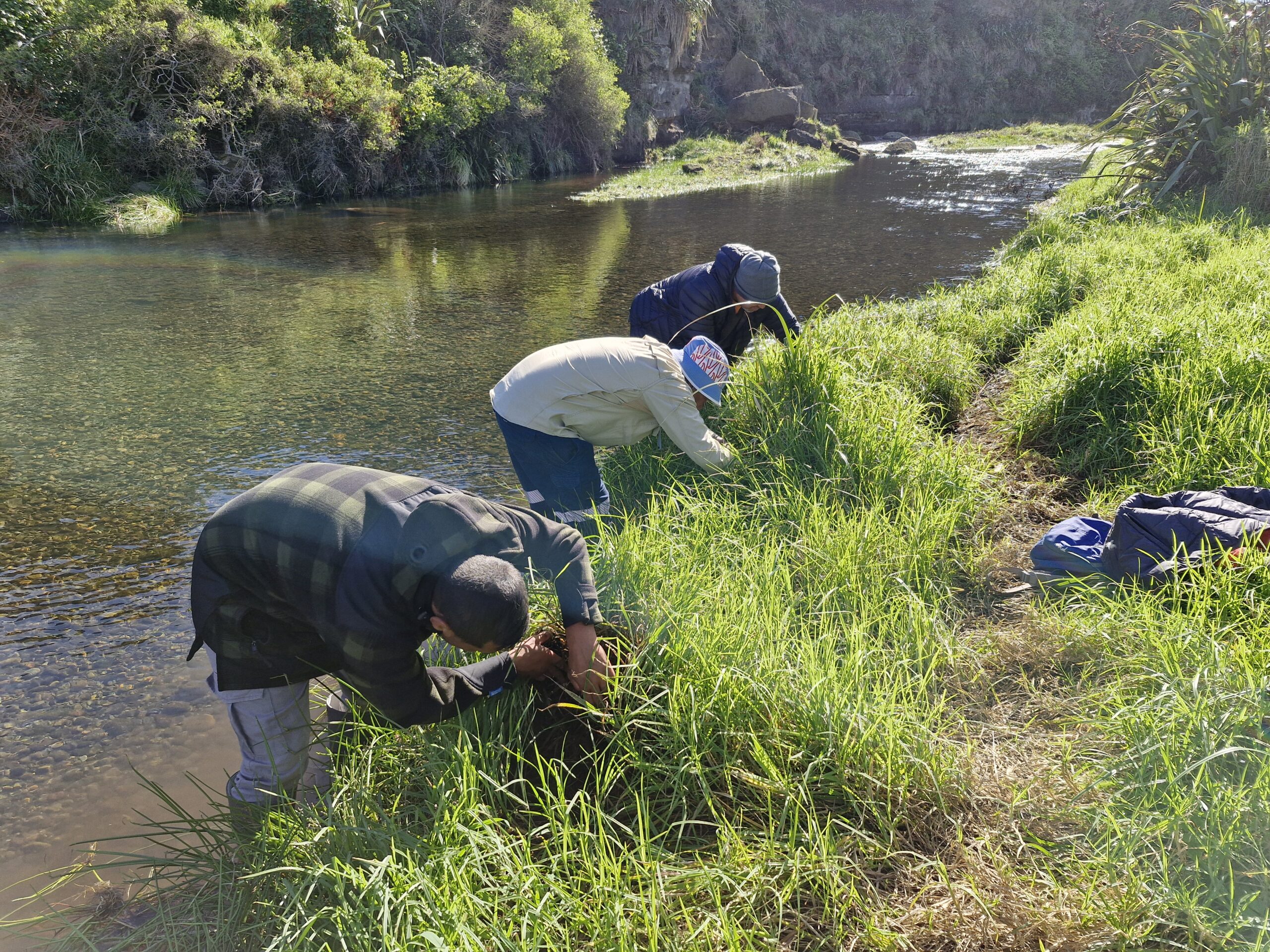
Protecting the Life of the Awa: Īnanga (Whitebait) Spawning in Taranaki
The rohe of Taranak Iwi extends across the western and southern flanks of Taranaki Maunga, encompassing a landscape rich in cultural, historical, and ecological significance. Within this rohe are seven marae and pā that anchor Iwi identity and collective strength, reflecting the vision of me tōngai harakeke—a metaphor for resilience and unity woven like the strands of harakeke. It is a place where environmental stewardship, cultural revitalisation, and intergenerational growth converge, ensuring that the mauri of the land, waters, and people remain strong for the future.
Wild for Taranaki, provider organisation for Mountains to Sea’s ‘Wai Connection – Tatai Ki Te Wai’, has partnered with Te Kāhui o Taranaki to support their mahi to improve the health and wellbeing of our freshwater systems and the communities that depend on them.
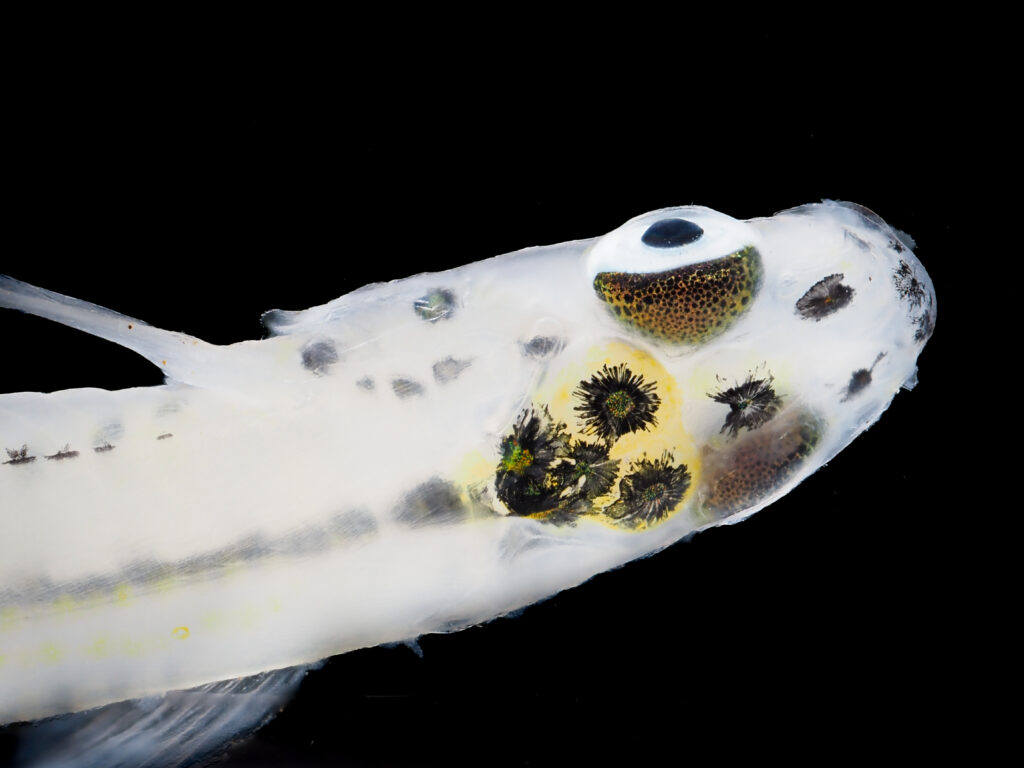
The awa and streams within Te Kāhui o Taranaki’s rohe that flow from the mountain to the sea are home to a taonga species central to both ecology and culture: īnanga. Little was known about the spawning habits of īnanga in this rohe. That changed this year, when Te Kāhui o Taranaki’s Taiao Team, supported by the Wai Connection kaupapa, embarked on a journey of discovery, collaboration, and restoration.
Building Capability Through Wai Connection
Through training wānanga, the team strengthened their knowledge and confidence, learning from national experts and adapting protocols to local conditions. With guidance from Nic Naysmith, National Coordinator of the Īnanga Spawning Programme, the team undertook saltwater wedge surveys and habitat assessments. These efforts led to the identification of spawning areas across 11 different awa/catchments, with multiple spawning events witnessed and carefully documented. Egg checks were carried out with minimal disturbance, ensuring the integrity of the taiao.
All findings have been recorded using ArcGIS, creating a valuable dataset that will inform restoration and protection efforts for years to come.
Sharing Knowledge, Inspiring Action
The team’s mahi has not stopped at monitoring. They have actively shared their knowledge with local kura, inspiring rangatahi to connect with their awa and understand the importance of freshwater species. Community spotlighting events brought whānau together to witness īnanga and other native fish firsthand, sparking curiosity and pride in local waterways.
This collaborative approach reflects the kaupapa of Wai Connection – building capability within communities so that knowledge and care for the awa is widely shared.
Strengthening Monitoring Frameworks
Beyond īnanga, Te Kāhui o Taranaki has expanded its awa monitoring programme to include ecological indicators such as aquatic macroinvertebrates (ngāi poripori) and periphyton. These additions provide a holistic picture of stream health, enabling the team to give informed feedback to the Taranaki Regional Council on monitoring practices, freshwater planning, and consent applications.
Lessons and Looking Ahead
The team acknowledges that building lasting relationships within catchments takes time and patience. Looking forward, Te Kāhui o Taranaki is excited to build on strong foundations. With improved knowledge and capability, they aim to expand restoration efforts, share findings more widely with hapū, kura, landowners, and councils, and continue to protect the awa that sustains their communities. Their tongi kōrero, “Me tōngai harakeke” – symbolising collective strength – captures the spirit of this mahi: weaving together knowledge, people, and action to ensure the resilience of Taranaki’s waterways for generations to come.
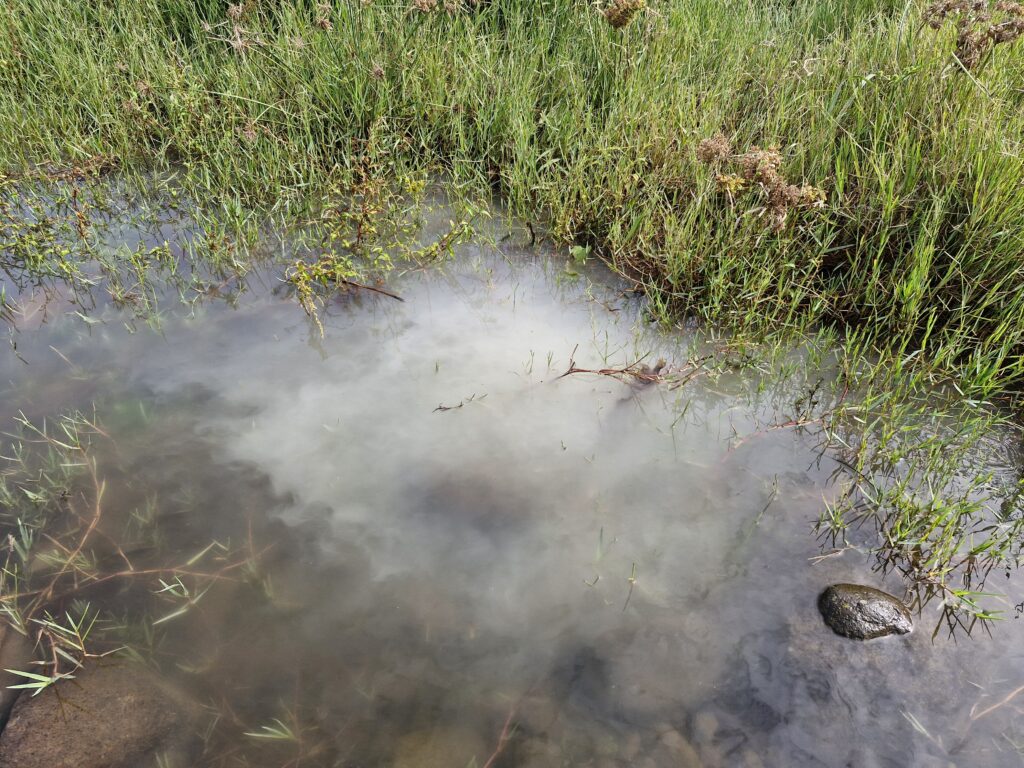
Image Credits: Te Kāhui o Taranaki
“The recent discovery of a new īnanga (Galaxias maculatus) spawning site in Taranaki is exciting news. It shines a spotlight on the region’s biodiversity and ecological health. Īnanga, which are vital for the local ecosystem, and which have huge cultural value, serve as kai for so many. They are a much-needed food source of numerous fish and bird species in both the awa and the moana, and are significant in maintaining the mauri of both these environments.
The discovery highlights the resilience of this species, whose numbers are declining due to loss of habitat, mostly through changes in land use. Protecting īnanga spawning sites will contribute to the overall health of the local freshwater ecosystem, maintaining biodiversity and resilience. In a broader context, protection and restoration of these sites helps to support numerous other species, thereby benefiting local communities and the wider global ecological network.”
(Nic Naysmith, Mountains to Sea Coordinator of the National Īnanga Spawning Program)