Support our community to restore Taranaki's natural environment
We can’t do it alone. We need your help! Any money you donate will go directly to supporting Taranaki projects restoring and protecting biodiversity. You get to choose where it goes to. And if you can’t help out with cash, you can help in other ways.
Rapid Reforestation
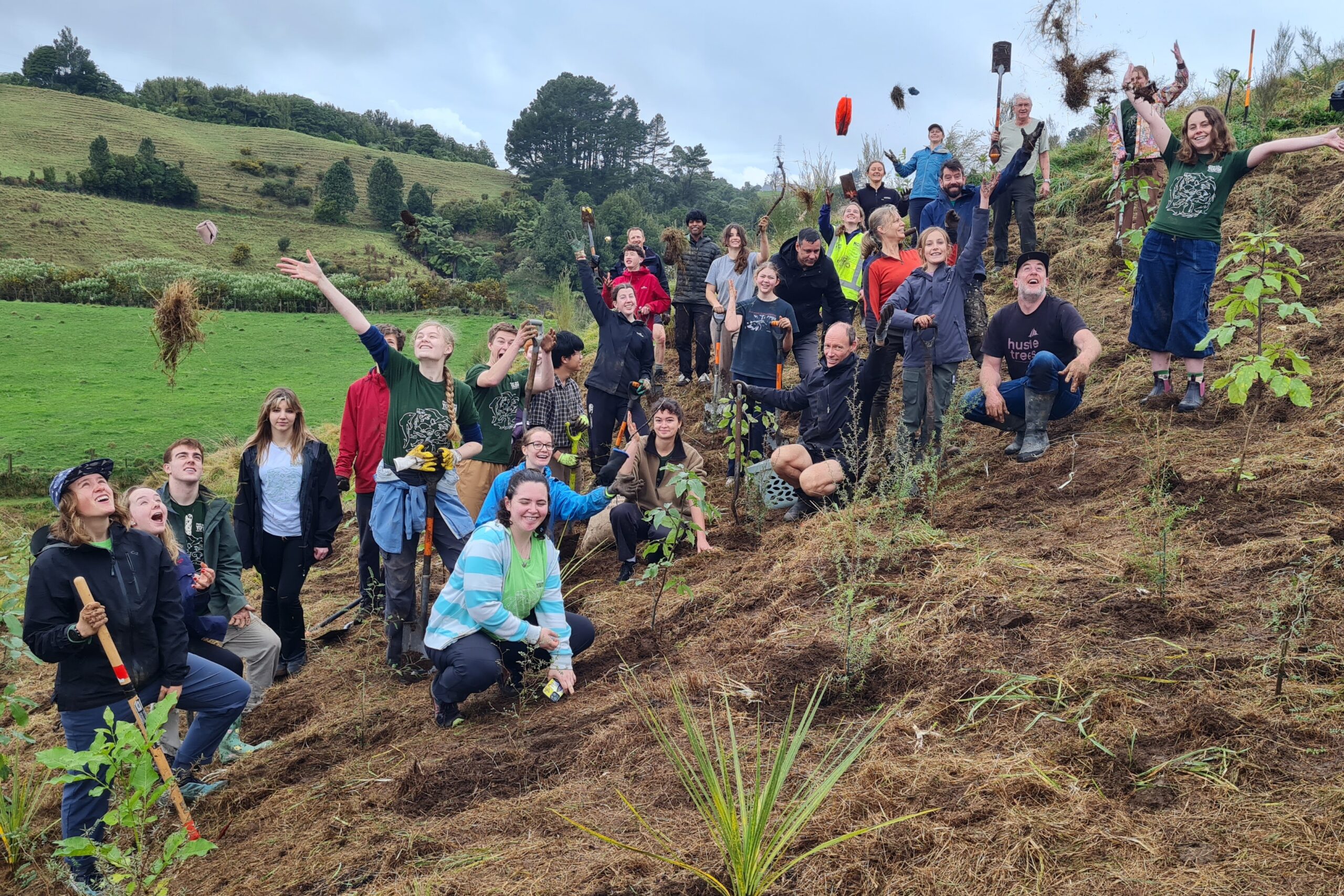
Rapid Reforestation has been quietly reshaping parts of Taranaki since its formation in 2019. Born out of a Climate Change and Consciousness workshop series connected to the Just Transitions Conference in New Plymouth, the group began with a small but committed team: Kama Burwell, Amber Cielo, and Nathan Hills. From those early days, the collective has steadily grown, drawing in volunteers and landowners united by a shared goal—restoring native forest ecosystems on marginal land.
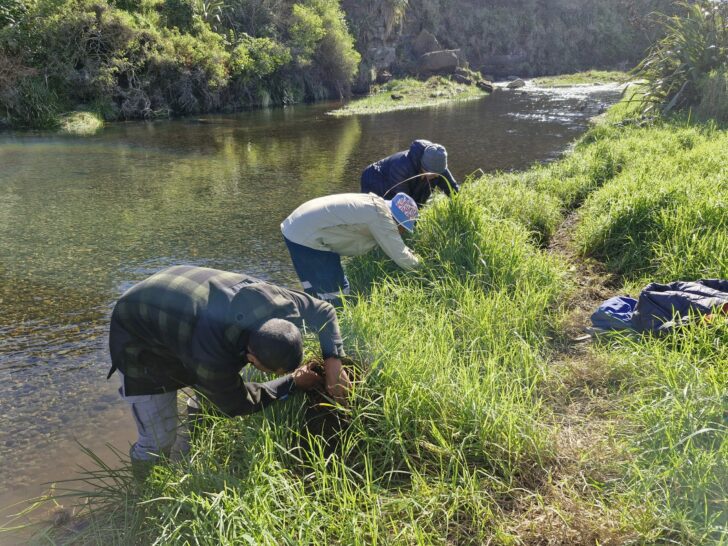
At its core, Rapid Reforestation is about making large-scale planting achievable. For many landowners, the idea of converting unused or degraded land into native forest can feel overwhelming. The group steps in to provide guidance, coordination, and hands-on support, helping turn intention into action. Their focus is not on small garden projects but on meaningful landscape change—typically planting at least 500 trees per site, often across multiple seasons.
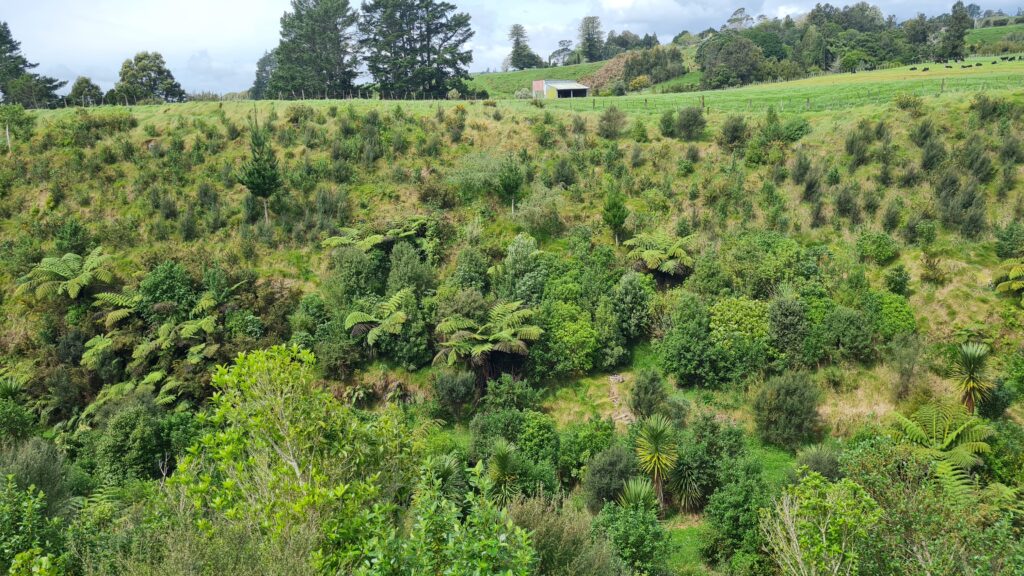
Reforesting marginal land plays a crucial role in addressing climate change. Among all carbon absorption methods, established forests remain one of the most effective. Trees are natural carbon sinks, refined over millions of years, and unlike emerging technologies, they are accessible—anyone can participate in planting. However, the group emphasizes that the real value lies in establishing forests that can sustain themselves long-term. Once a native ecosystem reaches a stage where it regenerates naturally, it ensures enduring carbon capture and ecological resilience.
Biodiversity is another major driver behind the initiative. Much of Taranaki’s native habitat has become fragmented, limiting the survival and movement of species. Reforestation helps reconnect these broken landscapes. As the saying goes, “bigger is better”—larger, continuous habitats support richer biodiversity. Even small restored areas can quickly attract wildlife. Tui may return within a few years, and kererū often follow once fruiting trees are established.
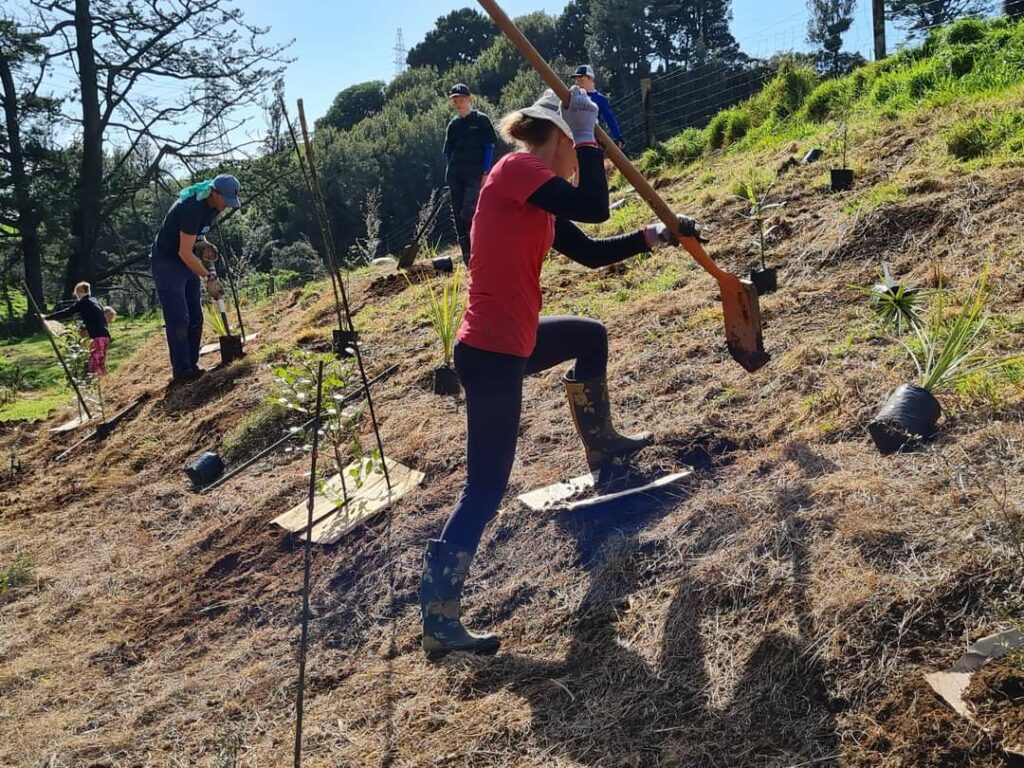
The planting approach is carefully tailored to local conditions. Coastal, inland, and high-country environments each require different strategies. Pioneer species such as mānuka, kānuka, coprosma varieties, and cabbage trees are commonly used because they are hardy and able to withstand competition from weeds, browsing animals, and harsh weather. Over time, these early species create shelter for slower-growing native trees like tawa, matai, miro and kahikatea.
Beyond carbon and biodiversity, reforestation improves overall land health. Tree roots stabilize soil, reducing erosion—a significant concern in Taranaki’s landscape. Forests also act as natural filters, absorbing excess nutrients and chemicals from agricultural runoff before they reach waterways.
The work, however, is not without challenges. Funding remains a constant hurdle, and the physical demands of planting can lead to burnout. Maintaining access to sites, controlling invasive weeds, and managing pest animals all require ongoing effort. After planting, maintenance is critical—young trees must be protected from being smothered by grass and weeds, often for up to two years. Regular monitoring ensures the forest establishes successfully.
Rapid Reforestation operates on a simple, inclusive model. There is no financial barrier to participation, and volunteers are encouraged to contribute in whatever capacity they can—even attending one planting day a year makes a difference. This flexibility has helped build a resilient community around the kaupapa.
Looking ahead, the potential impact is significant. Widespread reforestation could expand and reconnect habitats across the region, creating biodiversity corridors that allow native species to thrive and move freely. While the group already supports other local initiatives, there is strong openness to further collaboration.
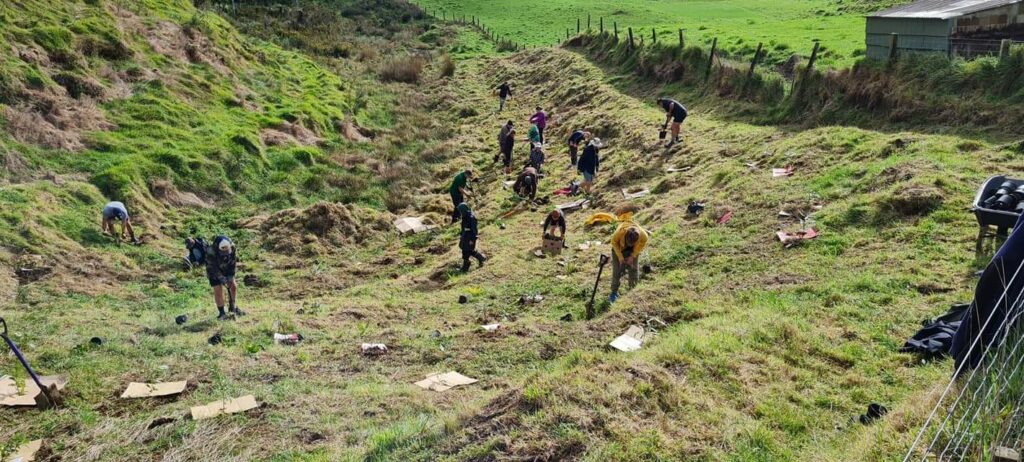
Ultimately, Rapid Reforestation offers a practical, community-driven response to environmental challenges. It demonstrates that meaningful climate action doesn’t always require complex systems—sometimes, it starts with people, planting trees, and restoring the land together.