Support our community to restore Taranaki's natural environment
We can’t do it alone. We need your help! Any money you donate will go directly to supporting Taranaki projects restoring and protecting biodiversity. You get to choose where it goes to. And if you can’t help out with cash, you can help in other ways.
Two Decades of Conservation, Collaboration and Community in Eastern Taranaki
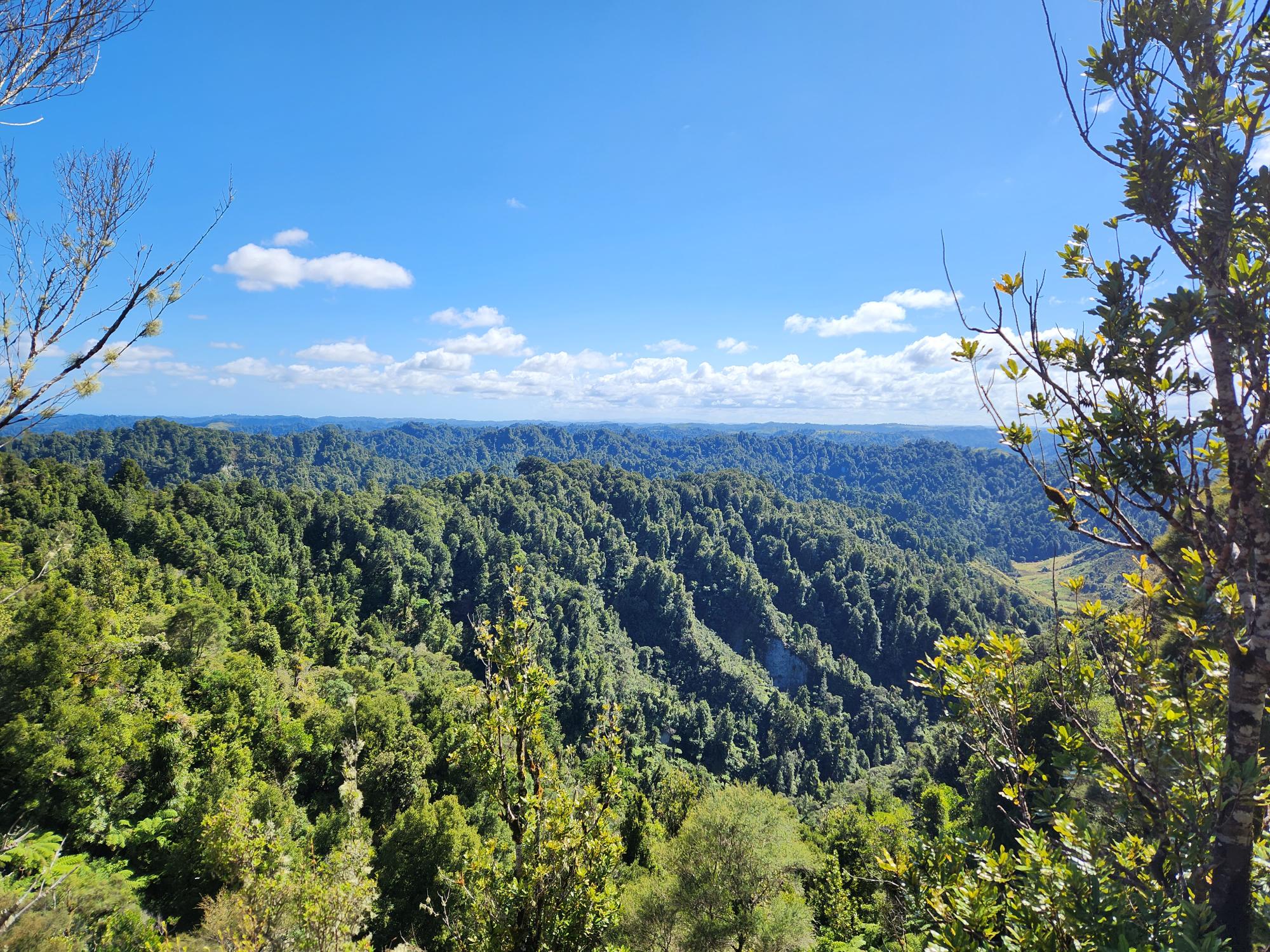
For more than 20 years, the East Taranaki Environment Trust (ETEC) has been quietly achieving remarkable conservation outcomes across eastern Taranaki. What began with Karen and Bob Schumacher and a small group of passionate Pūrangi landowners determined to protect kiwi has grown into one of New Zealand’s largest community-led environmental initiatives.
Today, ETEC works across an 18,000-hectare landscape stretching from Ōkoki to Te Wera, restoring ecosystems, protecting native wildlife, and bringing together iwi, hapū, landowners, volunteers, government agencies and local communities in a shared vision for nature.
At the heart of ETEC’s work is a simple goal: creating healthy ecosystems where native species can thrive.
Across the project area, the team undertakes extensive predator control and ecological monitoring, using science-based methods to track the health of the environment. Key indicator species, such as kiwi and kōkako, help measure the success of restoration efforts and guide future management decisions.
The work is about much more than pest control. It is about restoring balance to the landscape and ensuring future generations can experience the rich biodiversity that makes eastern Taranaki so special.
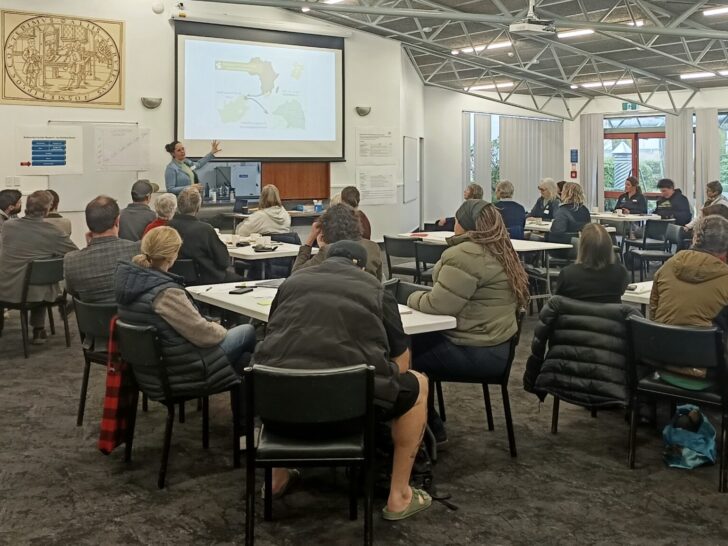
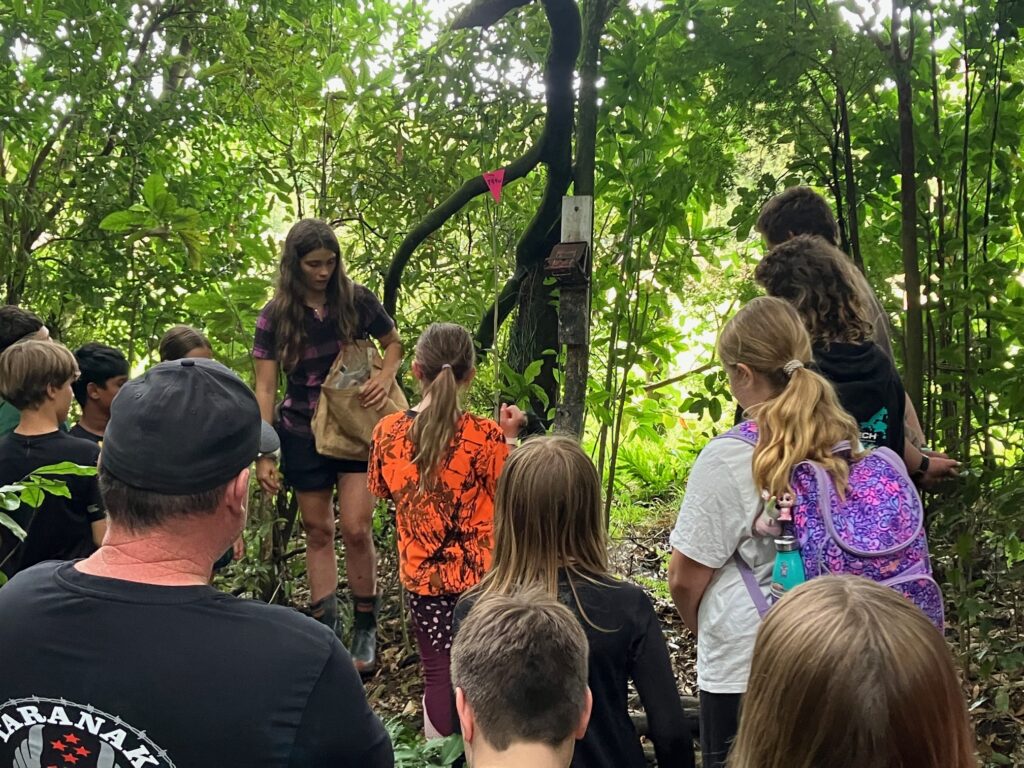
Community involvement remains central to this mission. Through public talks, school programmes, volunteer opportunities and community events, ETEC continues to inspire people to connect with and care for the natural world around them.
The results of this long-term commitment are becoming increasingly visible.
In the Pouiatoa Conservation Area, years of sustained predator control have led to growing populations of both kōkako and kiwi—two species that provide valuable insights into the health of the wider ecosystem.
While unusually high rat numbers have presented challenges this year, ongoing support from the Department of Conservation, including aerial pest control and goat management programmes, has helped strengthen conservation efforts across the region.
As the organisation evolves, ETEC’s current team includes General Manager Jane Dobson-Bowden, Conservation Manager Sarah Campbell, Rangers Olly Sleep and Halle Aish, and Finance Lead Laura Beaty.
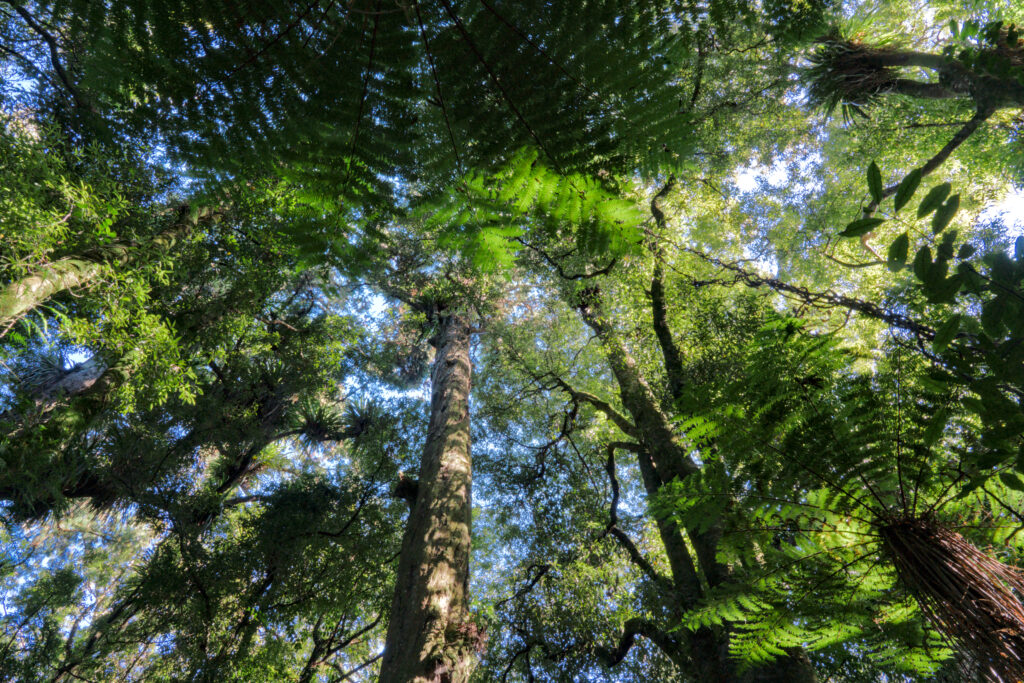
The Trust also acknowledges the significant contributions of former staff members Kat Strang and Nadine Patterson, whose combined decade of service helped shape ETEC into the organisation it is today.
The phrase “standing on the shoulders of giants” is often used within the Trust—a fitting tribute to the many individuals, volunteers, partners and supporters whose efforts have laid the foundation for today’s success.
One of ETEC’s most exciting current initiatives is helping develop an Eastern Taranaki Biodiversity Corridor.
Working alongside iwi, the Department of Conservation and regional partners, the project aims to connect conservation efforts across the wider landscape rather than focusing on isolated sites.
The corridor approach recognises that wildlife does not recognise property boundaries. By aligning pest management, ecological monitoring and restoration activities across multiple organisations and land tenures, partners hope to create a more resilient and connected ecosystem.
Kōkako are being used as a key indicator species to help guide conservation priorities throughout the north-eastern corridor, including Pouiatoa, Parininihi, Waitaanga, Moki, Tongapōrutu, Tarata and Pūrangi.
The initiative builds on momentum created through the Jobs for Nature programme and represents an important step towards landscape-scale conservation in Taranaki.
Another significant project taking shape is Hākuturi – the Taranaki Environment Centre.
Developed through a partnership involving Pukerangiora Hapū, New Plymouth District Council, New Plymouth Partners, Gibbons Architects and ETEC, the centre is envisioned as a hub for environmental education, community engagement and conservation action.
The proposed facility will provide workshop spaces, shared offices and education areas, creating a place where people can come together to learn, collaborate and support environmental initiatives.
Situated as a gateway to the forests of eastern Taranaki, Hākuturi will celebrate kaitiakitanga and strengthen connections between people and the region’s nationally significant ecosystems and taonga species.
While much of the work is currently happening behind the scenes, planning is well underway for a major fundraising campaign in 2026. Opportunities for community members and supporters to contribute to the centre’s future governance, design and operation will also be explored as the project progresses.
Understanding how ecosystems change over time is essential for effective conservation.
To strengthen biodiversity monitoring, funding from the Taranaki Regional Council’s Waitotara Fund Trust (WFT) in 2026 will support the establishment of the first scientific baseline for lizard populations in Everett Park Scenic Reserve and the Pouiatoa Conservation Area.
This work will complement existing kiwi and kōkako monitoring programmes, providing a more complete picture of ecosystem health and helping measure the long-term effectiveness of pest control efforts.
After more than two decades of conservation work, ETEC continues to demonstrate what can be achieved when communities come together around a shared purpose.
From protecting kiwi and kōkako to developing landscape-scale conservation initiatives and planning for future environmental education opportunities, the Trust’s work is creating lasting benefits for both nature and people.
As eastern Taranaki’s forests continue to recover, ETEC’s story remains one of collaboration, perseverance and hope—a reminder that meaningful environmental change happens through long-term commitment and collective action.
Head over to their website to see how you can get involved https://etec.org.nz/