Support our community to restore Taranaki's natural environment
We can’t do it alone. We need your help! Any money you donate will go directly to supporting Taranaki projects restoring and protecting biodiversity. You get to choose where it goes to. And if you can’t help out with cash, you can help in other ways.
Protecting Our Moana: The Rāhui on the Western Taranaki Coast
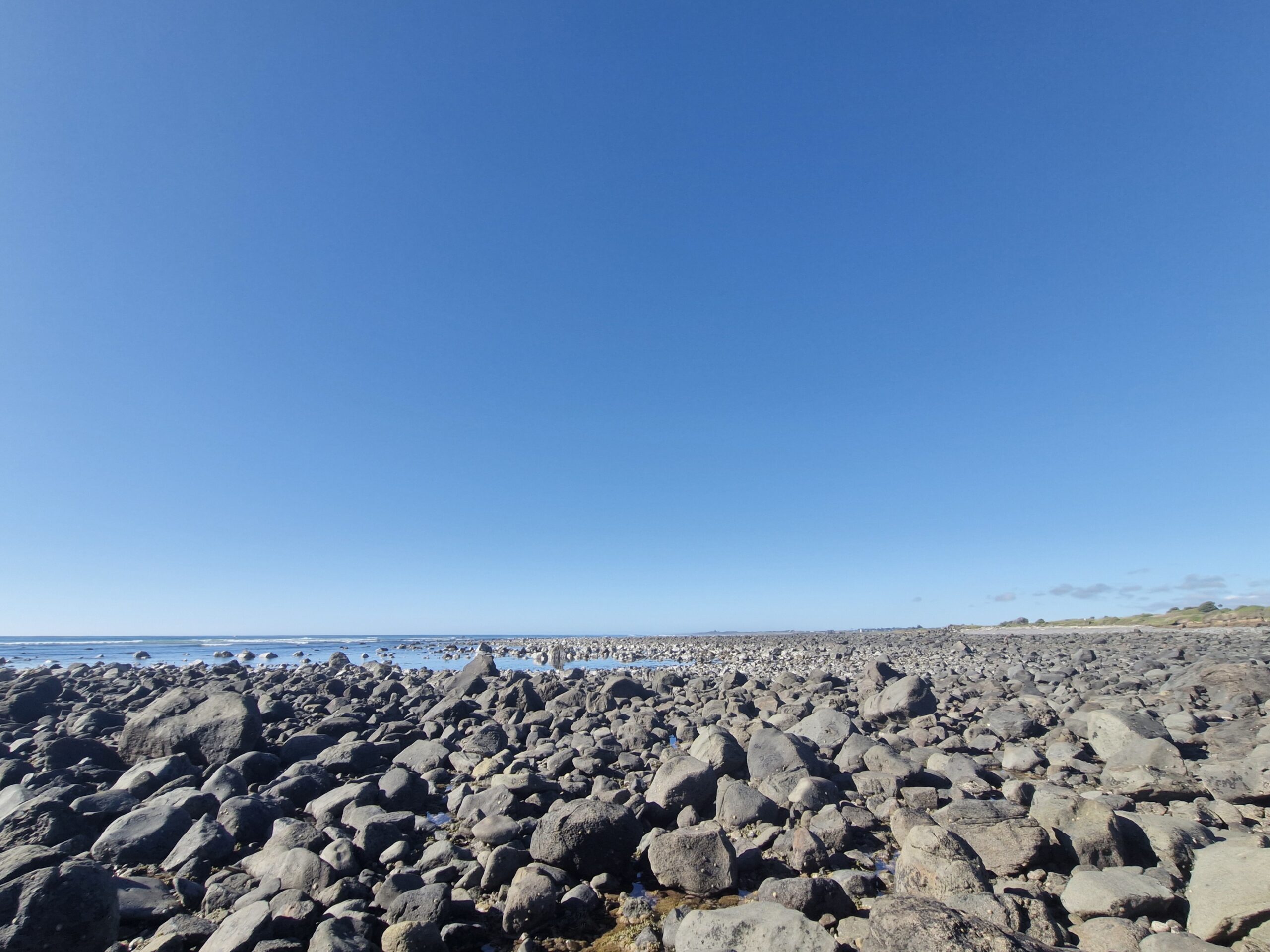
Along the Western Taranaki coast, a growing collective effort is taking place to protect our moana, restore kaimoana resources, and ensure future generations can continue to enjoy the deep connection our communities have with the sea.
At the heart of this kaupapa is the Rāhui — an expression of kaitiakitanga, collective responsibility, and a commitment to giving our coastal environment the time and space it needs to recover.
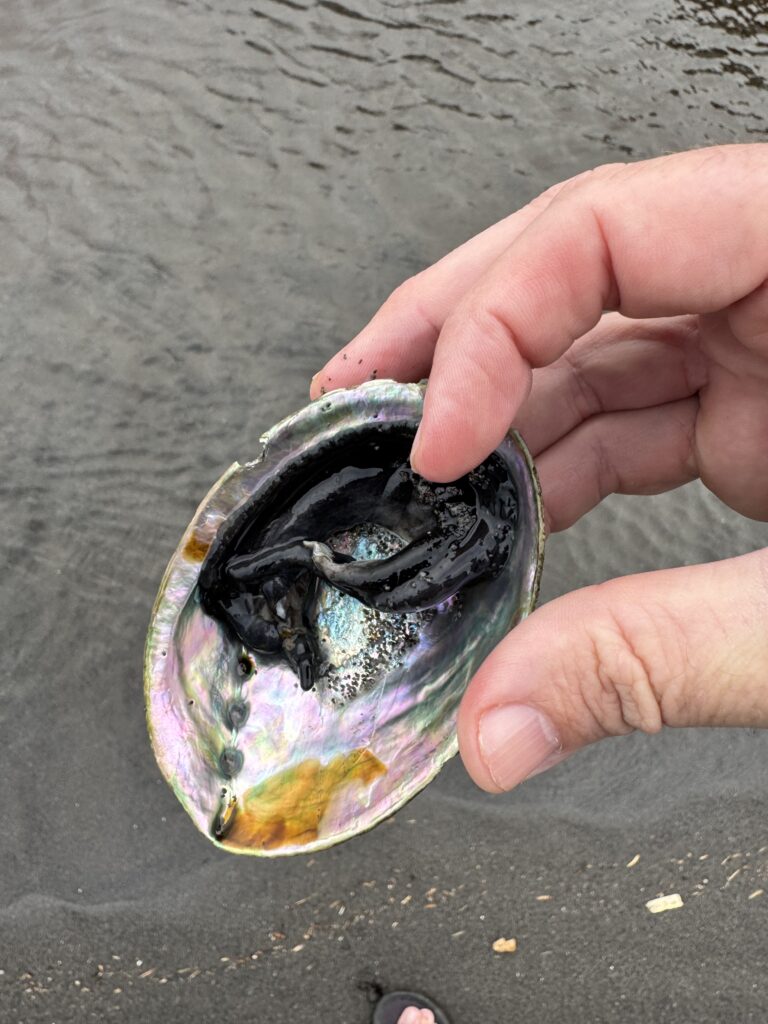
For generations, whānau, hapū and iwi have relied on the resources of the moana for sustenance, cultural practices, and connection to place. Over time, however, many communities began noticing changes in the abundance and health of species that were once plentiful.
The Rāhui was established in response to these concerns and as a way of protecting the mauri of our coastal environment.
A Rāhui provides an opportunity to pause, reflect and take collective action. It recognises that sometimes the best way to protect what we value is to give it space to recover.
The Rāhui is a practical expression of kaitiakitanga — our responsibility to care for and protect the environment for those who come after us. It is about ensuring that future generations can enjoy the same relationship with the moana that our tūpuna did.
One of the most significant changes since the Rāhui was established has been the level of community engagement and conversation around protecting our coastline. People are talking more about sustainability, responsible harvesting and what it means to be kaitiaki for future generations.
Environmental recovery takes time, and ongoing monitoring will be important. But alongside this, we are seeing a renewed sense of ownership and collective responsibility among communities along the coast.
The Rāhui has encouraged people to think beyond immediate needs and consider the long-term wellbeing of our taiao.
The challenges facing kaimoana and the western Taranaki coastline are complex. Increasing harvest pressure, habitat degradation, climate change, changing ocean conditions and the cumulative impacts of human activity all contribute to the pressures being experienced by our marine environment.
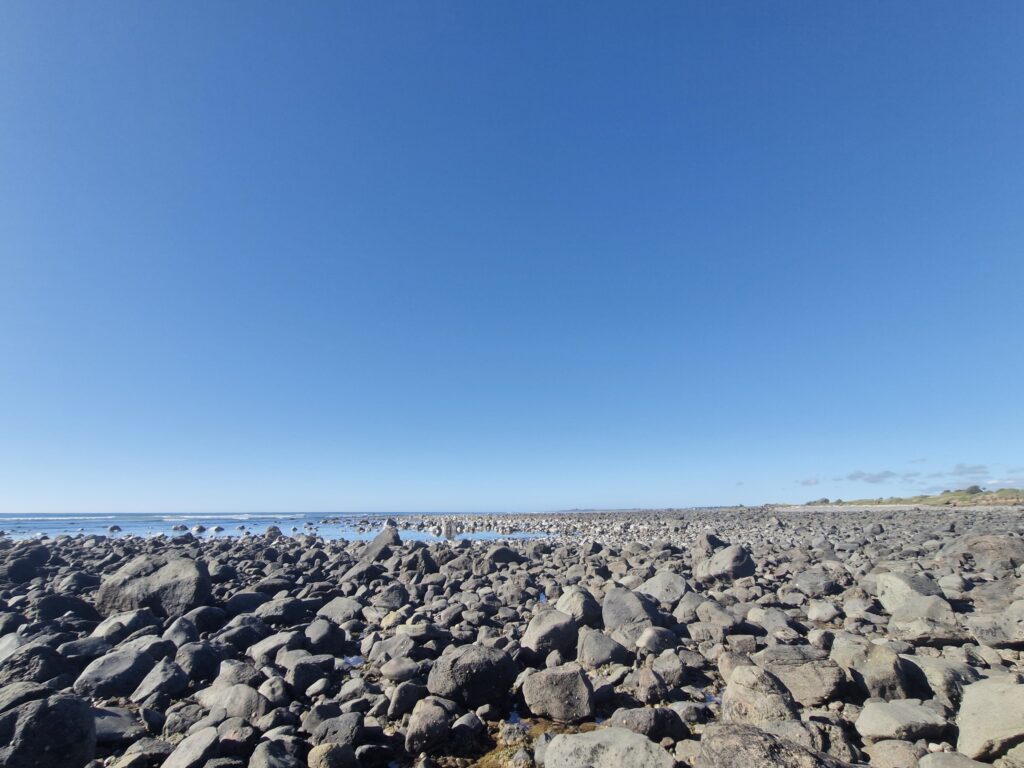
There is no single cause or simple solution.
The combined effect of multiple pressures has contributed to declines in some areas, which is why a collective approach is so important. Communities, tangata whenua, scientists, local authorities and resource users all have valuable knowledge and perspectives to contribute.
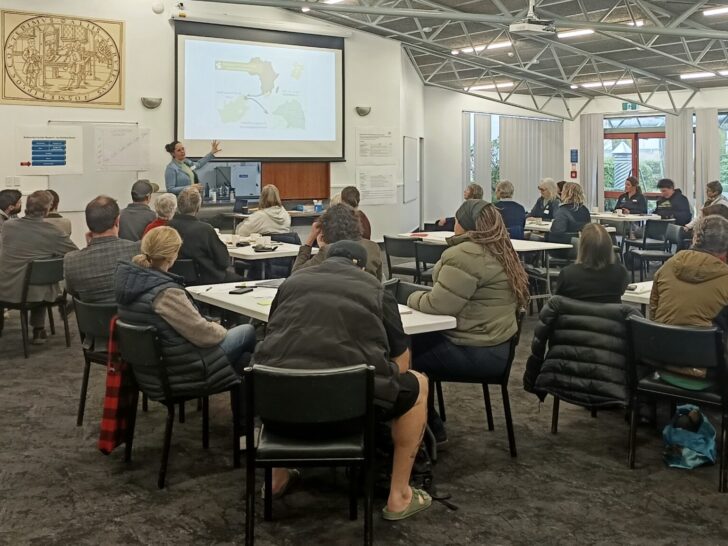
Protecting our coastline requires us to work together. Over the past six months, we have held 26 pā, marae and community meetings.
Across these conversations, one message has been clear: people care deeply about the future of our coastline and want to be part of finding solutions.
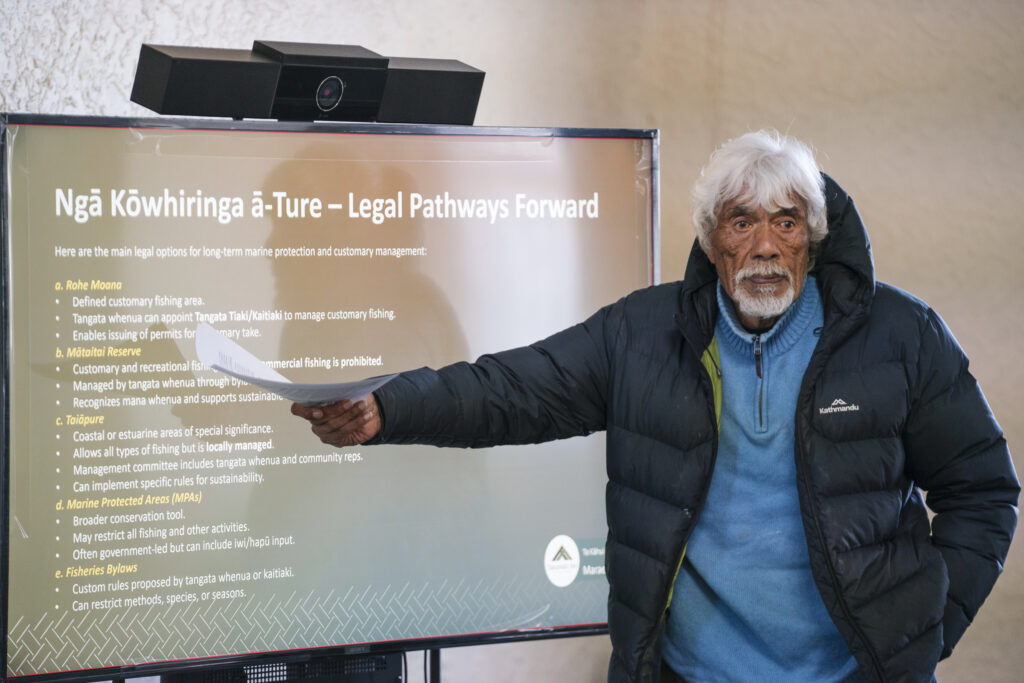
Kaumātua shared stories of the abundance that once existed along the coast, alongside concerns from whānau who are noticing changes in the availability of kaimoana today.
People are asking for better protection of marine resources, greater community involvement in decision-making, and a shared commitment to leaving the coastline in a healthier state for future generations.
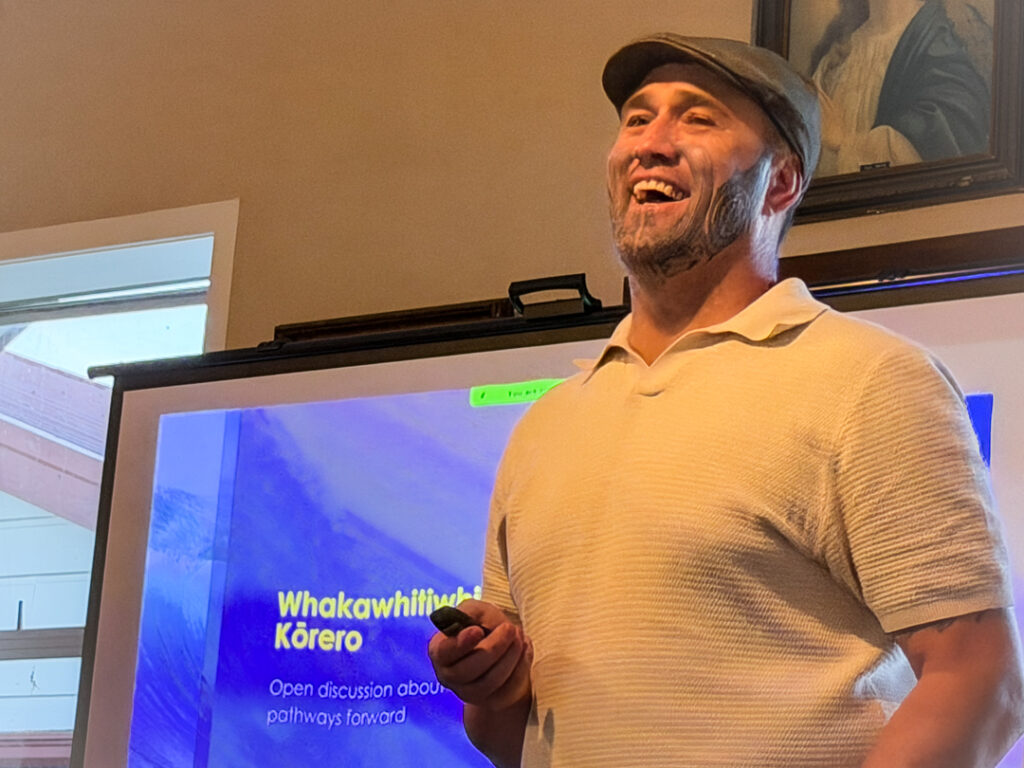
What has been particularly encouraging is the willingness of people from different backgrounds and with different perspectives to come together around a common goal. That shared commitment is one of the greatest strengths of this kaupapa.
Looking five or ten years ahead, success would mean healthier and more abundant kaimoana populations, thriving coastal ecosystems and communities that are actively involved in protecting and managing these resources. It would also mean creating stronger pathways for mātauranga Māori and science to work alongside one another.
Both bring valuable insights. When brought together respectfully, they can provide a richer understanding of the challenges facing our coastline and the opportunities available to address them.
Success is about more than environmental outcomes, it is also about the relationships we build, the knowledge we share and the collective stewardship that develops along the way.
As this kaupapa develops, Kāhui Mātaitai has been proposed as a collective advisory group to provide guidance, support collaboration and help ensure diverse voices are represented. The intention is to bring together people with a range of knowledge, expertise and lived experience.
This creates a platform where mātauranga Māori, community aspirations and technical knowledge can help inform future conversations and recommendations.
At its heart, Kāhui Mātaitai is about strengthening collective leadership and ensuring that decisions are grounded in the interests of both the environment and the communities who depend on it.
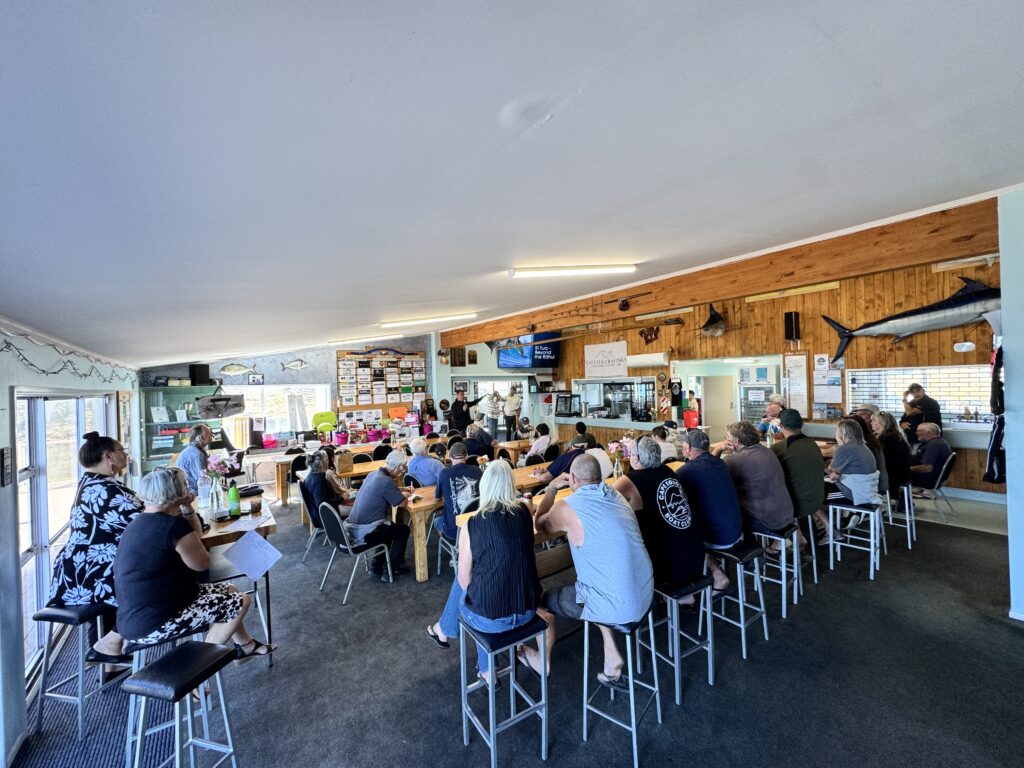
The Rāhui provides an important opportunity to bring mātauranga Māori and scientific information together to inform decisions about the future of our coastline. One of the most exciting aspects of this kaupapa is demonstrating how these knowledge systems can work together in complementary ways. Mātauranga Māori provides generations of knowledge, observation, experience and connection to place. Scientific research provides another important body of evidence and tools for understanding environmental change.
When these perspectives are brought together, they can contribute to a richer understanding of the challenges we face and the solutions available to us. If this collaborative approach proves successful, it could provide useful lessons for other taiao-specific issues.
The most important lesson may not be the specific tools or processes we use, but the value of communities, iwi, researchers and stakeholders working together towards a shared vision. Education starts with conversation, understanding and connection.
We need to continue creating opportunities for people to learn about the purpose of the Rāhui, the challenges facing our coastline and the role each of us can play in protecting our marine environment. There are many ways we can do this — through schools, marae, community events, social media, local storytelling and by sharing both mātauranga Māori and scientific knowledge in ways that are accessible to everyone.
Most importantly, people need to understand why the Rāhui exists.
It is not about restriction for the sake of restriction. It is about protection, restoration and ensuring our precious coastal resources remain available for future generations. When people understand the purpose behind the kaupapa, they are more likely to engage with it, support it and become active participants in its success. Ultimately, the goal is simple: that future generations inherit a coastline that is healthy, productive and capable of sustaining both people and the environment.
There is hope for our tamariki and mokopuna to experience the same connection to the moana that our ancestors did — to gather kaimoana, practise cultural traditions and develop a deep understanding of their responsibilities as kaitiaki.
The Rāhui is about more than what happens today.
It is about the kind of coastline we want to leave behind.
If we can leave the Western Taranaki coast in a better condition than we found it, while strengthening the relationships and collective responsibility that will help protect it into the future, then we will have honoured our obligations to those who come after us.
Our moana connects us. Our responsibility is to care for it. And our legacy will be measured by what we leave for the generations to come.